Why Permitting Matters Transportation permitting is one of the most critical aspects of interstate...
2 min read
Why Permitting Matters
Transportation permitting is one of the most critical aspects of interstate heavy hauling, as regulations can vary significantly from one state to the next—and in some cases, by county or municipality. Understanding these requirements is essential to avoiding delays, fines, and costly disruptions.
For many heavy haul shipments, obtaining oversize and/or overweight (OS/OW) permits is a required part of the planning process. Whether a permit is needed depends on the dimensions and weight of the vehicle and its load—as well as compliance with all applicable permitting requirements along the route.
When Is an Oversize/Overweight Permit Required?
An oversize or overweight permit is generally required whenever a vehicle and its load exceed the legal limits established by a state for one or more of the following:
Because legal limits vary by state, a load that requires a permit in one state may be subject to different requirements in another.
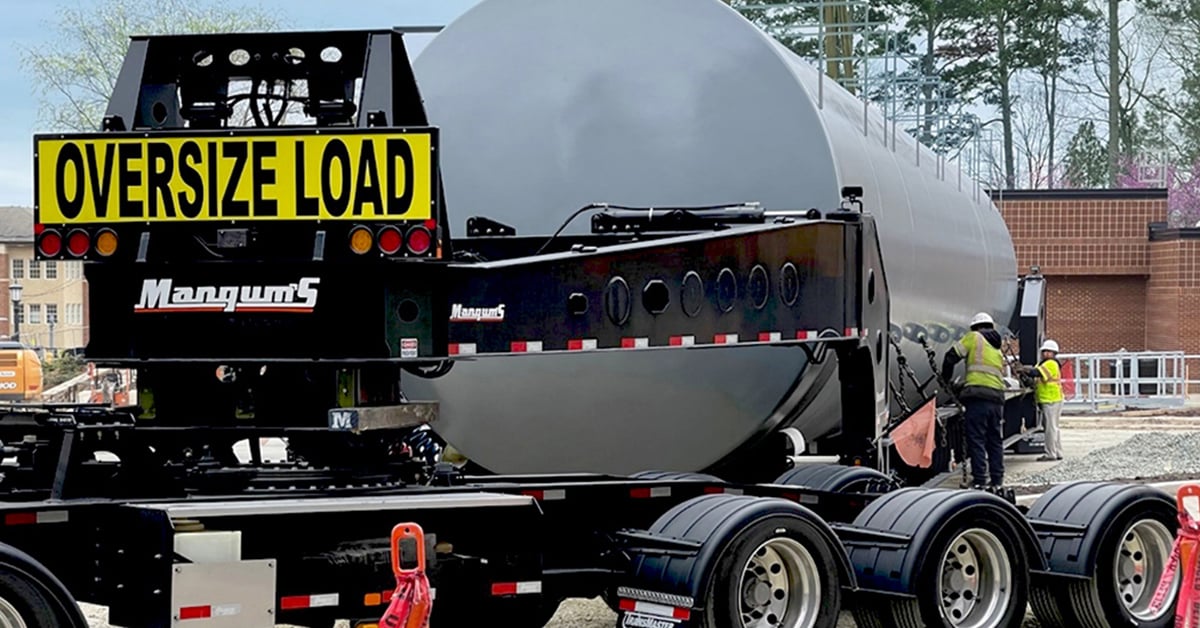
Loads that commonly require oversize and/or overweight permits include construction equipment, industrial machinery, transformers, storage tanks, generators, and other large or specialized cargo.
Why Is Transportation Permitting More Complicated Across State Lines?
Each state maintains its own oversize and overweight permitting requirements. A permit approved in one state does not automatically authorize travel in another. In many cases, counties, municipalities, or local authorities may also impose additional restrictions.
Factors that commonly vary include:
As a result, every interstate move requires detailed planning before transport begins.
What Does the Transportation Permitting Process Involve?
A successful interstate heavy haul project typically follows these steps:
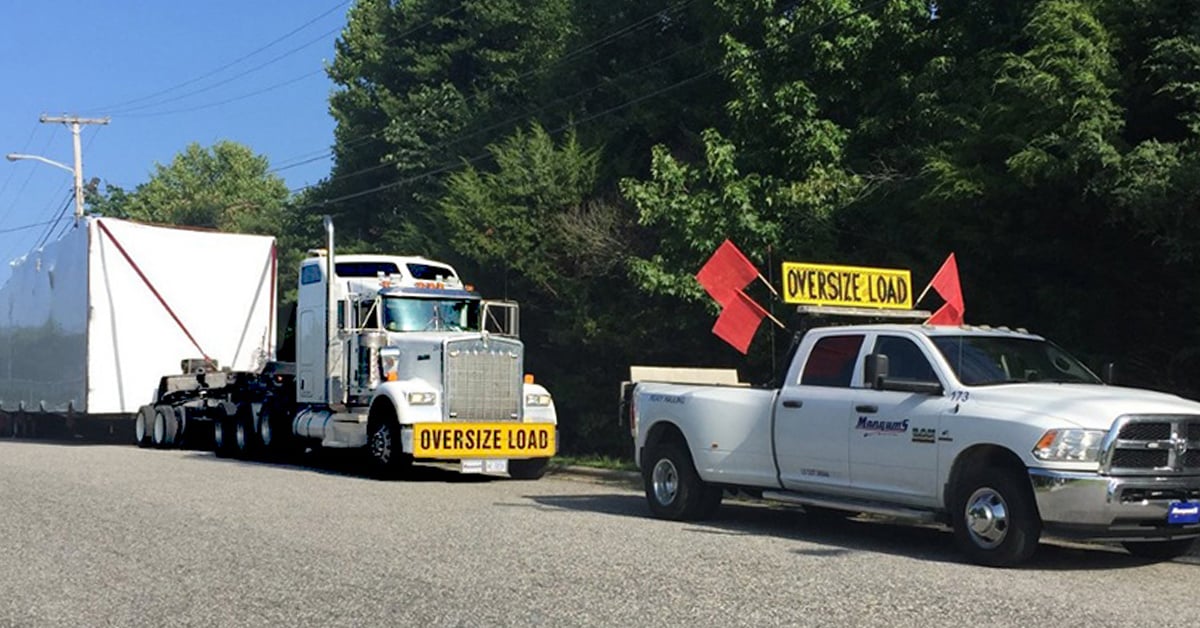
When Are Escort Vehicles or Police Escorts Required?
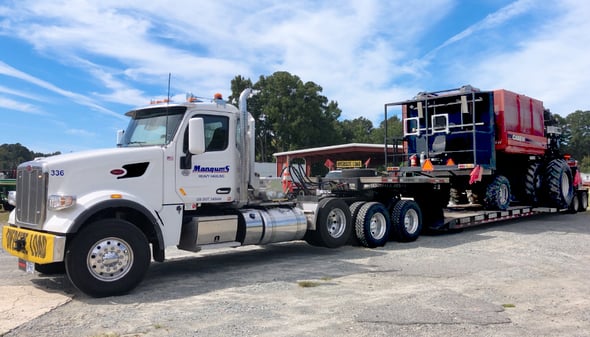
Depending on their dimensions, many oversize loads require certified pilot cars (escort vehicles) to help manage traffic and improve roadway safety. Extremely large or complex loads may also require police escorts, particularly in congested areas or when traffic control is necessary.
Escort requirements vary by state and are typically based on the dimensions and characteristics of the load.
How Can You Simplify the Transportation Permitting Process?
Many shippers choose to work with an experienced heavy haul provider that can manage the permitting process on their behalf. From route analysis and permit acquisition to escort coordination and transportation, a knowledgeable logistics partner can help ensure compliance while minimizing delays.
At Mangum's, we manage every aspect of the interstate permitting process—from route planning and permit acquisition to escort coordination and transportation execution.
Whether you're moving equipment across one state or across the country, our experienced team helps keep your shipment moving safely, efficiently, and in compliance with the requirements of every jurisdiction.
Contact Us:
Contact one of our heavy hauling & transport professionals today about your next project: 252-237-4256
Why Permitting Matters Transportation permitting is one of the most critical aspects of interstate...
Reducing Downtime for Fleets Across NC, SC, & VA
What Makes an OS/OW Transport Project Successful?
How Mangum's Reduces Downtime
How Mangum's Reduces Downtime
How Mangum's Keeps Your Fleet on the Road!